
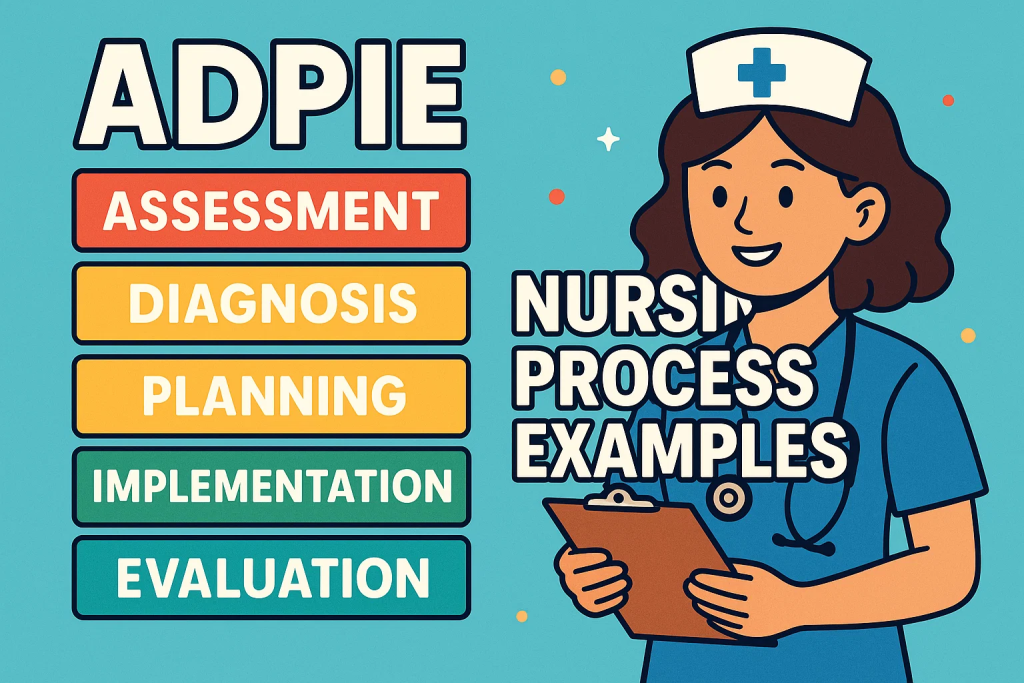
Ever wondered how nurses stay calm and focused when everything around them feels urgent? It’s not luck — it’s process. Behind every medication given, every vital checked, and every reassuring word, there’s a framework that guides every move. That framework is ADPIE.
ADPIE stands for Assessment, Diagnosis, Planning, Implementation, and Evaluation. It’s the backbone of nursing practice — a simple but powerful method that helps nurses think critically, make sound decisions, and deliver consistent, compassionate care.
In this guide, you’ll find ADPIE nursing process examples that bring the theory to life. We’ll walk through real patient scenarios, step-by-step explanations, and practical tips that make ADPIE easy to understand and apply — whether you’re a nursing student, an educator, or simply curious about how professional care really works.
You’re juggling work, classes, and family, and still finding the energy to care for everyone else. That kind of strength deserves support, not burnout. Let our nursing writers step in when life gets too full so you can finally breathe.
What Is the ADPIE Nursing Process?
Think of ADPIE as your step-by-step map for patient care. It gives structure to every decision you make — from the first greeting to the last evaluation. Instead of reacting on instinct, you follow a clear path based on evidence, logic, and empathy.
Each letter in ADPIE represents a key stage of the nursing process:
- Assessment: Collecting information about the patient.
- Diagnosis: Identifying the main health needs or risks.
- Planning: Setting realistic goals and outcomes.
- Implementation: Taking action and documenting what you do.
- Evaluation: Checking if the goals were met and what needs adjustment.
Some hospitals and schools use ADOPIE, which adds Outcomes Identification between Diagnosis and Planning. This aligns with the American Nurses Association (ANA) Standards of Practice, emphasizing clear, measurable goals before interventions begin
Components of the ADPIE Nursing Process
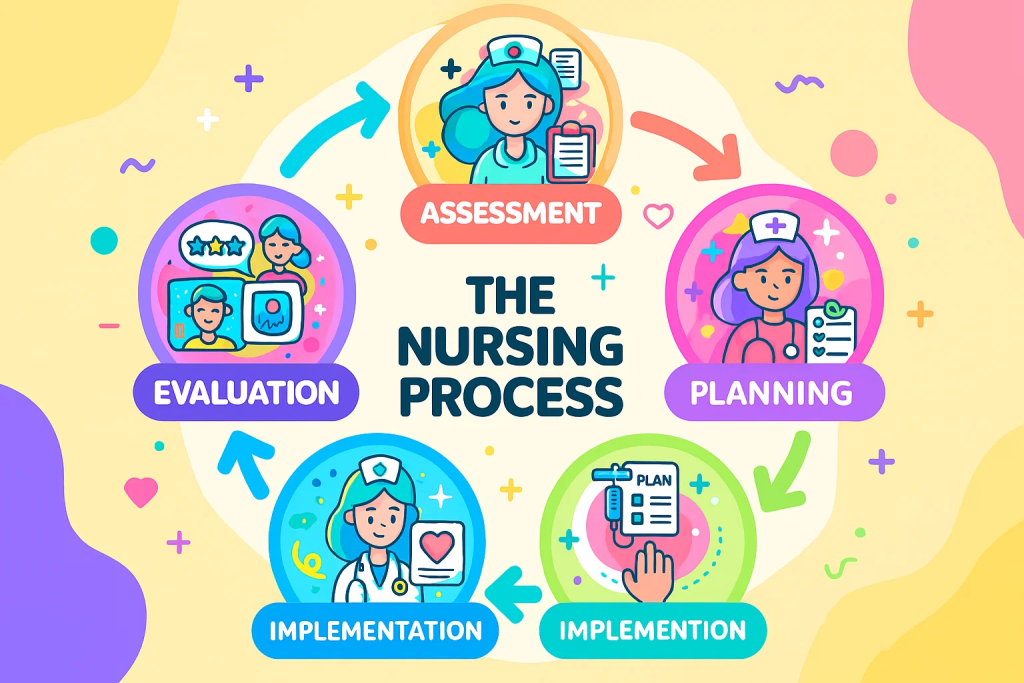
Each stage of the ADPIE nursing process builds on the one before it. When done right, it creates a clear path from recognizing a patient’s needs to helping them reach better health outcomes. Let’s look at each component:
Assessment
The assessment stage is the foundation of all nursing care. Here, the nurse gathers both subjective data, such as what the patient says about their symptoms, and objective data, such as vital signs, lab results, and physical observations. This may include measuring temperature, checking blood pressure, observing breathing patterns, or noting changes in mood and behavior.
Diagnosis
After collecting the data, the nurse identifies actual or potential health problems. The diagnosis step transforms raw information into clinical insight. A nursing diagnosis focuses on how the patient responds to a condition rather than naming the disease itself.
Planning
The planning phase is where critical thinking turns into action. During this stage, the nurse sets goals and outcomes that are specific, measurable, and realistic. These goals should reflect the patient’s current condition, available resources, and cultural or personal preferences. Collaboration is key—patients and families should take part in deciding what success looks like.
Implementation
Implementation is the stage where the nurse puts the plan into motion. It involves carrying out interventions, such as giving medications, teaching the patient about their treatment, repositioning for comfort, or coordinating with other healthcare professionals. Every action should be recorded clearly so that other members of the care team can follow the same plan. Implementation also means staying alert to the patient’s responses.
Evaluation
Evaluation is the final step and the one that closes the loop of care. Here, the nurse reviews the outcomes and compares them to the goals set in the planning phase. Did the patient’s pain decrease? Is breathing easier? Are lab values improving? If the results fall short, the nurse reassesses and updates the plan.
ADPIE Nursing Process Examples
Understanding each step of ADPIE becomes much easier when you see it in action. Below are realistic patient scenarios that show how nurses apply the process in daily practice. Each example walks through the five stages — Assessment, Diagnosis, Planning, Implementation, and Evaluation — using clear, everyday language. These samples can guide you when writing care plans, practicing in simulation labs, or reflecting on real clinical experiences.
Example 1 – Dehydration Due to Lasix (Fluid Volume Deficit)
Patient Scenario:
A hospitalized patient is prescribed 80 mg of IV Lasix every morning for heart failure. During the morning assessment, the nurse notices the patient’s blood pressure has dropped from 110/70 to 98/60, and the heart rate has risen to 100. The patient reports dizziness, fatigue, and a dry mouth. The nurse also notes a 4-pound weight loss since yesterday. These findings suggest possible dehydration.
The nurse pauses before giving the Lasix, contacts the provider, and begins hydration support. By the end of the shift, the patient’s blood pressure stabilizes and the dizziness disappears. This case shows how ADPIE turns observation into safe, evidence-based action.
Assessment
The nurse collects vital signs, reviews the medical record for baseline data, and notices a downward trend in blood pressure combined with weight loss and elevated heart rate. The patient’s report of dry mouth and dizziness confirms the suspicion of dehydration. These findings are documented clearly to show changes from the previous day. The nurse interprets these cues and recognizes a possible fluid volume deficit caused by diuretic therapy.
Diagnosis
Using clinical judgment, the nurse identifies the nursing diagnosis “Fluid Volume Deficit related to excessive diuretic use.” This diagnosis reflects the patient’s physiological response to treatment rather than the medical condition itself. It provides a focused direction fo
Planning
The nurse establishes measurable goals aimed at restoring fluid balance and preventing further dehydration. The immediate outcome is for the patient to maintain a stable blood pressure above 100/60 mm Hg and report reduced dizziness within one shift. Long-term goals include preventing recurrent dehydration during diuretic therapy. The nurse plans to notify the provider, encourage oral fluid intake, and monitor input, output, and daily weights.
Implementation
The nurse holds the Lasix dose as planned and reports findings to the healthcare provider. New orders include adjusting diuretic frequency and promoting hydration. The nurse assists the patient in drinking fluids, records all intake and output, and observes for improvement in energy levels and orientation. Education is provided on recognizing early signs of dehydration at home.
Evaluation
At the end of the shift, the nurse compares the current assessment with baseline data. The patient’s blood pressure has risen to 108/68, heart rate decreased to 84, and the light-headedness has resolved. The goals are met, and the care plan is updated to include ongoing fluid monitoring. The cycle continues with reassessment to ensure long-term stability.
Example 2 – Heart Failure (Fluid Volume Excess)
Patient Scenario:
A 72-year-old patient arrives with swollen legs, shortness of breath, and fatigue. The nurse observes crackles in both lungs, oxygen saturation at 90 percent, and a 3-pound weight gain in two days. The patient says they must sleep upright to breathe comfortably — classic signs of fluid overload.
Assessment
The nurse collects vital signs, checks daily weights, reviews lung sounds, and notes swelling in the lower extremities. The patient’s shortness of breath and orthopnea confirm fluid buildup. These objective and subjective findings are recorded and compared to baseline measurements.
Diagnosis
Based on the assessment, the nurse identifies the nursing diagnosis “Excess Fluid Volume related to impaired cardiac function.” This diagnosis helps focus interventions on removing excess fluid and improving cardiac efficiency.
Planning
The nurse sets short-term goals for oxygen saturation above 94%, reduced swelling, and improved breathing within 24 hours. Long-term goals include maintaining stable weight and preventing future fluid overload. The plan includes diuretic therapy, strict monitoring of intake and output, and patient education on limiting sodium and fluids.
Implementation
The nurse administers prescribed diuretics, monitors urinary output, checks lung sounds frequently, and assists the patient with positioning to ease breathing. The nurse also provides teaching about daily weight tracking and the importance of following a low-sodium diet.
Evaluation
By the end of the shift, the patient’s oxygen saturation improves to 95%, swelling decreases, and the patient reports feeling less breathless. The nurse concludes that the interventions were effective and continues to monitor progress daily.
Example 3 – Postoperative Pain Management
Patient Scenario:
A 40-year-old patient is recovering from abdominal surgery. During the assessment, the nurse observes facial grimacing, shallow breathing, and guarded movements. The patient rates pain as 8 out of 10 and says it worsens when coughing. These cues indicate that pain may be affecting recovery and mobility.
The nurse applies the ADPIE process to provide relief and encourage healing. After implementing pain management interventions, the patient’s comfort improves, allowing for deeper breathing and better participation in recovery activities.
Assessment
The nurse gathers information on the intensity, location, and triggers of the patient’s pain. Observations such as facial tension, posture, and limited movement support the patient’s verbal report. Pain is identified as a barrier to normal activity and respiratory function.
Diagnosis
The nurse formulates the nursing diagnosis “Acute Pain related to surgical incision and tissue trauma.” This diagnosis highlights the immediate nature of the problem and directs care toward relief and comfort.
Planning
The goal is for the patient to report a pain level of 3 out of 10 or less within one hour of intervention. The nurse plans to administer prescribed analgesics, assist with repositioning, and teach relaxation or breathing techniques.
Implementation
The nurse gives the ordered pain medication, repositions the patient with pillows for comfort, and guides the patient through slow, deep-breathing exercises. The nurse remains present to assess nonverbal signs and offer reassurance.
Evaluation
One hour later, the patient reports pain reduced to 3 out of 10 and shows relaxed posture and steady breathing. The nurse documents the improvement and continues monitoring. Adjustments are made as needed to maintain comfort throughout recovery.
Example 4 – Pneumonia (Impaired Gas Exchange)
Patient Scenario:
An 80-year-old patient is admitted with fever, a productive cough, and shortness of breath. During assessment, oxygen saturation is 88% on room air, respiratory rate is 26, and lung sounds reveal crackles at the bases. The patient reports feeling exhausted after minor activity. These findings suggest impaired gas exchange due to pneumonia.
The nurse begins oxygen therapy as ordered, ensures hydration, and positions the patient upright to ease breathing. After several interventions, oxygen saturation improves, and the patient reports less fatigue. This case shows how the ADPIE process keeps care organized and effective.
Assessment
The nurse gathers data on respiratory rate, oxygen levels, temperature, and sputum production. The patient’s fatigue and shallow breathing reinforce the suspicion of decreased oxygen exchange. Findings are documented and used to guide care.
Diagnosis
The nursing diagnosis “Impaired Gas Exchange related to alveolar inflammation and fluid accumulation” is made based on the patient’s symptoms and assessment results.
Planning
The nurse’s immediate goal is to improve oxygen saturation to 94% or higher. Longer-term goals include maintaining clear lung sounds and reducing infection symptoms. The plan includes oxygen therapy, breathing exercises, and proper hydration.
Implementation
The nurse administers oxygen as ordered, positions the patient upright, and encourages coughing and deep-breathing exercises. Fluids are offered to thin secretions, and antibiotic therapy
Evaluation
Follow-up assessment shows oxygen levels at 95%, improved breath sounds, and reduced respiratory distress. The patient states they feel less tired. The nurse records progress and continues supportive care until recovery is complete.
Example 5 – Diabetes Mellitus (Knowledge Deficit)
Patient Scenario:
A 55-year-old patient recently diagnosed with type 2 diabetes feels uncertain about managing the condition. During assessment, the nurse learns the patient is unfamiliar with blood glucose monitoring, medication timing, and dietary adjustments. The patient admits feeling anxious about “doing it wrong.” The nurse recognizes the need for education and support to promote self-care and confidence.
By the end of the hospital stay, the patient understands medication schedules, demonstrates proper glucose testing, and expresses confidence in following a diabetic diet. This success comes from applying each ADPIE step thoughtfully.
Assessment
The nurse evaluates the patient’s current knowledge level, learning style, and emotional state. The patient’s confusion and fear of mistakes highlight a lack of information about diabetes management.
Diagnosis
The nurse establishes the nursing diagnosis “Knowledge Deficit related to new diagnosis and lack of exposure to diabetes education.” This focuses the care plan on learning needs rather than physical symptoms.
Planning
The goal is for the patient to demonstrate proper glucose monitoring and verbalize understanding of medication and diet before discharge. The plan includes short teaching sessions, demonstrations, and printed materials written in plain language.
Implementation
The nurse provides one-on-one teaching, uses visual aids, and allows hands-on practice. The patient practices blood glucose checks under supervision and receives guidance on meal planning and medication timing.
Evaluation
Before discharge, the patient successfully demonstrates glucose testing and explains dietary guidelines correctly. The nurse confirms that goals were met and schedules follow-up education to reinforce learning.
Advantages of Using the ADPIE Nursing Process
The ADPIE nursing process offers clear benefits for nurses, patients, and healthcare teams. It creates order in complex situations, helps prioritize care, and supports better decision-making.
Here’s how it makes a real difference in everyday practice:
1. Improved patient outcomes
By following a step-by-step process, nurses address every part of a patient’s condition. This structure leads to fewer mistakes, faster recovery, and more consistent care.
2. Stronger critical thinking skills
Each ADPIE step demands analysis and sound judgment. Nurses learn to connect cues, interpret data, and choose the safest path forward (Potter et al., 2004).
3. Higher patient satisfaction
Patients notice when care feels personal and consistent. ADPIE keeps nurses organized and responsive, building trust and improving communication.
4. Better teamwork and communication
Because ADPIE uses clear documentation, everyone on the care team understands the plan. It provides a shared framework that supports smooth handoffs and collaboration.
5. Safer, more reliable care
Each phase builds on the one before it, reducing guesswork and keeping care plans consistent between shifts. Patients benefit from fewer errors and better follow-through.
6. Easier prioritization in clinical settings and exams
ADPIE helps nurses decide what comes first. This skill is valuable both in real-world care and on the NCLEX, where prioritization questions often reflect ADPIE thinking.
7. Ongoing professional growth
Using ADPIE every day builds confidence and accountability. It reminds nurses to reflect, evaluate outcomes, and always keep learning.
FAQs About the ADPIE Nursing Process
What is the difference between ADPIE and ADOPIE?
ADOPIE includes an extra step — Outcomes Identification — between Diagnosis and Planning. It aligns with the ANA Standards of Practice and helps nurses define clear, measurable goals before taking action.
Can ADPIE be used in all nursing specialties?
Yes. The process works across all settings — medical-surgical, pediatrics, mental health, maternity, and community care. The steps stay the same even if the environment changes.
How do I document ADPIE in nursing notes?
Write your observations, actions, and results under each step. For example, record vital signs and patient statements under Assessment, note your diagnosis clearly, set measurable goals in Planning, describe interventions in Implementation, and summarize changes in Evaluation.
Is ADPIE used in care plans and clinical assignments?
Absolutely. ADPIE is the foundation of all nursing care plans. It helps show your ability to organize information, set goals, and deliver patient-centered care.
How does ADPIE support evidence-based practice?
It turns observation into measurable progress. By assessing data and tracking outcomes, nurses identify what works best and adjust care using real evidence — not assumptions.
References and Sources
- American Nurses Association (ANA). (2022). The Nursing Process. ANA Enterprise.
- Potter, P., Boxerman, S., Wolf, L., Marshall, J., Grayson, D., Sledge, J., & Evanoff, B. (2004). Mapping the nursing process: A new approach for understanding the work of nursing. JONA: The Journal of Nursing Administration, 34(2), 101–109.
- Toney-Butler, T. J., & Thayer, J. M. (2022). Nursing process. In StatPearls. StatPearls Publishing.
- Yildirim, B., & Ozkahraman, S. (2011). Critical thinking in nursing process and education. International Journal of Humanities and Social Science, 1(13), 257–262.
- Additional credible learning resources: Nurseslabs, Lecturio, and NCBI Bookshelf.
